Co-curricular Activities

Art Therapy
Art Therapy is an integral part of our holistic approach at NeuroQuest, designed to support the emotional and psychological well-being of neurodiverse students. Here’s how we integrate art therapy into our program:
Creative Expression: Art therapy provides a non-verbal outlet for students to express their feelings, thoughts, and experiences. This is particularly beneficial for those who find it challenging to articulate their emotions through traditional means.
Emotional Regulation: Through the process of creating art, students learn to manage and understand their emotions better. This can be especially helpful in developing coping strategies for stress, anxiety, or sensory overload.
Self-Discovery: Engaging in art helps students explore their identity and self-esteem. It’s a journey of self-discovery where they can represent their inner world, often leading to increased self-awareness and confidence.
Social Skills: Group art therapy sessions encourage interaction, collaboration, and communication, fostering social skills in a supportive environment.
Therapeutic Techniques: Our art therapists use various techniques like painting, sculpting, drawing, and even digital art, tailored to meet individual needs. These activities are not about the final product but the process, which can be therapeutic in itself.
Integration with Learning: Art therapy complements our academic curriculum by providing a break from structured learning, enhancing focus, and creativity in other subjects.
At NeuroQuest, art therapy isn’t just about creating art; it’s about creating a space where students can heal, grow, and express themselves in ways that words might fail to capture.
Cooking
Cooking classes at NeuroQuest are more than just about learning to prepare meals; they are a multifaceted approach to education and therapy for neurodiverse students. Here’s how we incorporate cooking into our curriculum:
Life Skills Development: Cooking teaches essential life skills such as following instructions, time management, and understanding nutrition. These skills are crucial for independence and self-care.
Sensory Integration: Engaging in cooking involves all senses – touch, smell, taste, sight, and even sound. This sensory-rich activity can help students with sensory processing issues by providing controlled sensory stimulation.
Executive Functioning: From planning a menu to executing a recipe, cooking enhances executive functioning skills like planning, sequencing, and problem-solving. It’s a practical way to apply these skills in a real-world context.
Social Interaction: Cooking classes often involve teamwork, where students must communicate, share tasks, and collaborate. This fosters social skills, cooperation, and builds a sense of community.
Confidence Building: Successfully preparing a dish can significantly boost a student’s confidence. The tangible results of their efforts provide immediate feedback and a sense of achievement.
Therapeutic Benefits: The act of cooking can be therapeutic, offering a calming, repetitive task that can reduce anxiety. It also provides a sense of control and accomplishment, which is therapeutic for many neurodiverse individuals.
Cultural Education: Through cooking, students explore different cultures and cuisines, promoting cultural awareness and appreciation, which can be a bridge to broader social understanding.
Nutritional Awareness: We focus on healthy eating habits, teaching students about balanced diets, food groups, and the importance of nutrition, which ties into health education.
At NeuroQuest, our cooking classes are designed not just to teach culinary skills but to serve as a platform for holistic development. Students learn to navigate the kitchen, manage their sensory experiences, and gain confidence in their abilities, all while having fun and creating something they can enjoy.


Hand Crafts
Hand crafts at NeuroQuest serve as a cornerstone of our therapeutic and educational approach, providing neurodiverse students with a creative outlet that fosters numerous developmental benefits. Here’s how we integrate hand crafts into our program:
Fine Motor Skills: Crafting activities like knitting, origami, or beadwork require precise hand movements, which help in refining fine motor skills. This is particularly beneficial for students who might struggle with tasks that require dexterity.
Patience and Focus: Crafting often involves detailed work that requires patience and sustained attention. This helps in developing concentration and the ability to focus on tasks over extended periods.
Cognitive Development: Engaging in crafts can enhance cognitive functions such as problem-solving, spatial awareness, and memory. For instance, following a pattern or assembling a model encourages logical thinking.
Emotional Regulation: The act of creating something can be soothing and meditative, providing a therapeutic outlet for stress and anxiety. Crafting allows students to express emotions in a tangible form, which can be less intimidating than verbal expression.
Self-Esteem: Completing a craft project gives students a sense of accomplishment. Displaying or gifting their creations can boost self-esteem and pride in their abilities.
Social Interaction: Craft sessions often involve group activities where students can share techniques, collaborate on projects, or simply enjoy the company of others, enhancing social skills and fostering a sense of community.
Creativity and Innovation: Crafts encourage thinking outside the box, promoting creativity. Students learn that there’s often more than one way to solve a problem or complete a project, fostering innovative thinking.
Cultural and Historical Learning: Many crafts have cultural or historical significance. By engaging in these activities, students learn about different traditions, enhancing their cultural awareness and appreciation.
Inclusivity: Crafts can be adapted to various ability levels, making them an inclusive activity where every student can participate at their own pace and level of complexity.
At NeuroQuest, hand crafts are not just about the end product but the journey of creation. They offer a hands-on approach to learning, therapy, and personal development, allowing students to explore, create, and grow in a supportive environment. Each craft session is designed to be both fun and educational, providing a unique blend of skill development and emotional support.
Read Alouds
Read alouds at NeuroQuest are carefully woven into our educational fabric, offering a multitude of benefits tailored for neurodiverse students. Here’s how we incorporate read alouds into our program:
Language Development: Listening to stories read aloud enhances vocabulary, comprehension, and language structure. It exposes students to a variety of words and sentence constructions they might not encounter in everyday conversation.
Listening Skills: Read alouds improve auditory processing and listening skills. Students learn to focus on the spoken word, which is crucial for academic success and social interactions.
Emotional and Social Understanding: Stories often deal with emotions, relationships, and moral dilemmas. Through these narratives, students can explore feelings, empathy, and social cues in a safe, indirect way.
Imagination and Creativity: Hearing stories can ignite imagination, encouraging students to visualize scenes, characters, and settings, which is essential for creative thinking and problem-solving.
Bonding and Community: Reading aloud together creates a shared experience, fostering a sense of community and belonging. It can also be a comforting ritual that builds trust and connection between students and educators.
Therapeutic Reading: For some students, listening to a calming voice reading a story can be soothing, reducing anxiety and providing a mental break from more structured learning activities.
Cognitive Development: Following a story’s plot helps in understanding sequences, cause and effect, and narrative structure, which are fundamental cognitive skills applicable across various academic subjects.
Cultural Exposure: Through diverse literature, students are introduced to different cultures, histories, and perspectives, promoting cultural awareness and inclusivity.
Engagement with Literature: Read alouds can make literature more accessible, especially for students who might struggle with reading independently. It can spark an interest in books and reading for pleasure.
Interactive Learning: We often incorporate interactive elements where students might predict outcomes, discuss character motivations, or even act out parts of the story, making the experience dynamic and engaging.
At NeuroQuest, read alouds are not just about the act of reading; they’re about creating an immersive, educational, and therapeutic experience. Each session is designed to be a journey into different worlds, fostering a love for stories while simultaneously supporting cognitive, emotional, and social growth. This approach ensures that every student, regardless of their reading level or neurodiversity, can enjoy and benefit from the magic of storytelling.

Physics & Chemistry
At NeuroQuest, our approach to teaching Physics and Chemistry is tailored to meet the unique needs of neurodiverse students, focusing on hands-on, experiential learning that makes these subjects accessible and engaging. Here’s how we integrate these sciences into our curriculum:
Physics
Hands-On Experiments: We emphasize practical experiments that students can touch, see, and interact with. For instance, building simple machines or exploring the principles of motion with toys like marbles or cars can make abstract concepts tangible.
Real-World Applications: Physics concepts are often linked to everyday life. We might discuss how the principles of force and motion apply to sports or how light refraction affects how we see objects in water.
Visual and Interactive Learning: Using simulations, videos, and interactive models helps visualize concepts like gravity, magnetism, or electricity. This visual approach aids in understanding complex ideas that might be challenging to grasp through text alone.
Problem-Solving: Physics problems are broken down into manageable steps, encouraging logical thinking and problem-solving skills. We focus on the process rather than just the answer, fostering a deeper understanding.
Inclusive Teaching Methods: We adapt teaching methods to suit different learning styles, using diagrams, physical models, and storytelling to explain concepts like energy conservation or Newton’s laws.
Chemistry
Sensory-Rich Experiments: Chemistry labs are designed to engage multiple senses. Students might smell different substances, see color changes in reactions, or feel the heat of an exothermic reaction, making learning a sensory experience.
Everyday Chemistry: We relate chemical concepts to daily life, like discussing the chemistry of cooking (e.g., baking soda and vinegar reactions) or the pH scale in relation to household items like cleaning agents.
Step-by-Step Procedures: Chemical experiments are broken into clear, sequential steps. This not only teaches the scientific method but also helps in developing sequential thinking and attention to detail.
Safety and Responsibility: Learning about chemical safety introduces students to responsibility and risk assessment, crucial life skills. We emphasize safe practices through demonstrations and role-playing.
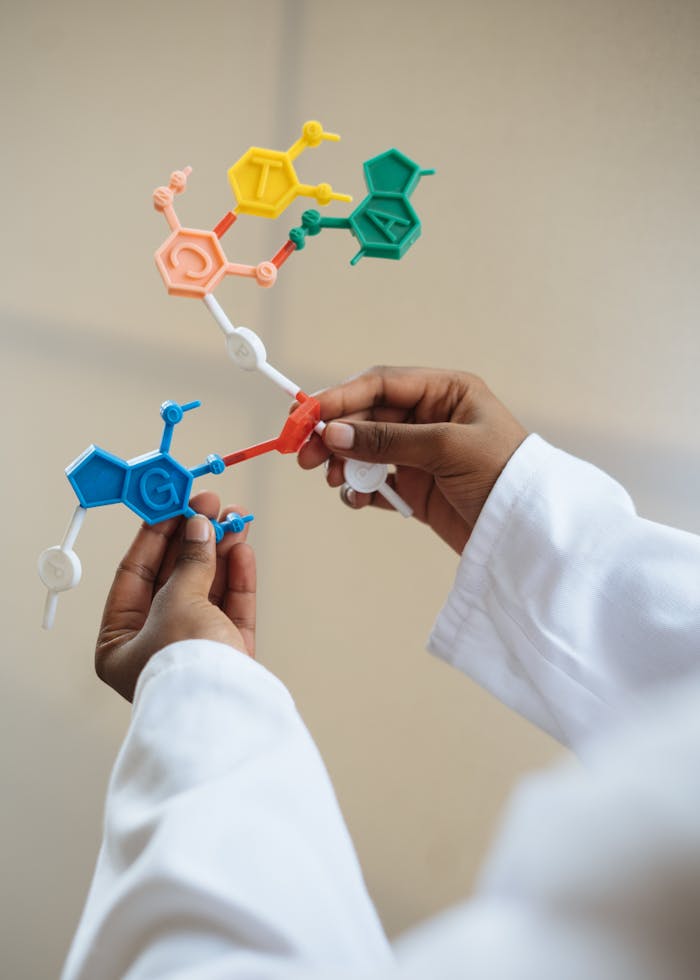
Interactive Models and Simulations: For concepts like molecular structure or chemical reactions, we use 3D models or computer simulations. This visual representation helps in understanding atomic and molecular behaviors.
Thematic Learning: Chemistry lessons might be themed around real-world issues like environmental science (e.g., discussing the chemistry of pollution or renewable energy sources).
General Approach for Both Subjects:
Small Group Sessions: These allow for personalized attention, where educators can adapt explanations and experiments to individual needs.
Integration with Other Subjects: We often integrate physics and chemistry with art (e.g., the chemistry of paint), literature (stories about scientists), or cooking (chemical reactions in food), providing a holistic learning experience.
Celebrating Achievements: Every successful experiment or solved problem is celebrated, reinforcing positive reinforcement and encouraging further exploration.
Peer Learning: Encouraging students to explain concepts to each other can reinforce learning and build social skills, as they learn to articulate complex ideas.
At NeuroQuest, our goal with Physics and Chemistry is not just to teach scientific principles but to ignite curiosity, foster a love for discovery, and develop critical thinking skills in a way that respects and accommodates the diverse learning styles of our students. This approach ensures that every student can engage with these fascinating subjects in a meaningful, accessible way.
International English
At NeuroQuest, our approach to teaching International English is designed to be inclusive, engaging, and relevant for neurodiverse students, focusing on practical use, cultural awareness, and communication skills. Here’s how we integrate International English into our curriculum:
Practical Communication
Real-Life Scenarios: We use role-playing, simulations, and real-life scenarios to practice English in contexts like shopping, traveling, or job interviews. This helps students understand how English is used globally.
Functional Language: Emphasis is placed on learning phrases and expressions that are useful in everyday international interactions, such as greetings, asking for directions, or making requests.
Cultural Integration
Cultural Studies: Alongside language learning, we explore cultural nuances from different English-speaking countries. This includes customs, traditions, and social norms, helping students appreciate and navigate cultural differences.
Literature and Media: Exposure to literature, films, and music from various English-speaking regions helps students understand different accents, dialects, and cultural references.
Interactive Learning
Group Activities: Group discussions, debates, and collaborative projects where students must communicate in English to solve problems or complete tasks. This not only improves language skills but also social interaction.
Language Games: Engaging in language games that require quick thinking and communication, like “20 Questions” or “Taboo,” to make learning fun and less formal.
Technology and Multimedia
Online Resources: Utilizing apps, online courses, and interactive websites that offer a variety of accents and language uses, from British English to American, Australian, or even pidgin English.
Video and Audio: Listening to podcasts, watching English news, or analyzing movie dialogues to improve listening comprehension and pronunciation.
Writing and Speaking
Journaling: Encouraging students to keep a journal in English, where they can express thoughts, reflect on their day, or write about what they’ve learned, improving both writing and reflective skills.
Public Speaking: Opportunities to present on topics of interest, which not only boosts confidence but also hones speaking skills in a structured format.
Inclusive Teaching Methods
Visual Aids: Using charts, diagrams, and visual stories to explain grammar rules or vocabulary, catering to visual learners.
Kinesthetic Learning: Incorporating movement, like acting out verbs or prepositions, to help kinesthetic learners remember language components.
Personalized Learning Plans: Tailoring lessons to individual needs, focusing on areas where students need more practice, whether it’s pronunciation, vocabulary, or grammar.
Global Awareness
Pen Pal Programs: Connecting with students from other countries to exchange letters or emails, providing real-world practice in written communication.
Global Issues Discussions: Discussing international topics in English, encouraging students to think critically about global events and express their opinions.
Assessment and Feedback
Continuous Feedback: Regular assessments through quizzes, informal conversations, or project presentations, with constructive feedback to guide improvement.
Self-Assessment: Teaching students to evaluate their own progress, encouraging self-awareness and responsibility in their learning journey.
At NeuroQuest, International English is not just about learning a language; it’s about opening doors to global communication, understanding, and cultural exchange. Our approach ensures that every student, regardless of their neurodiversity, can engage with English in a way that is both accessible and enriching, preparing them for interactions in an increasingly interconnected world.